
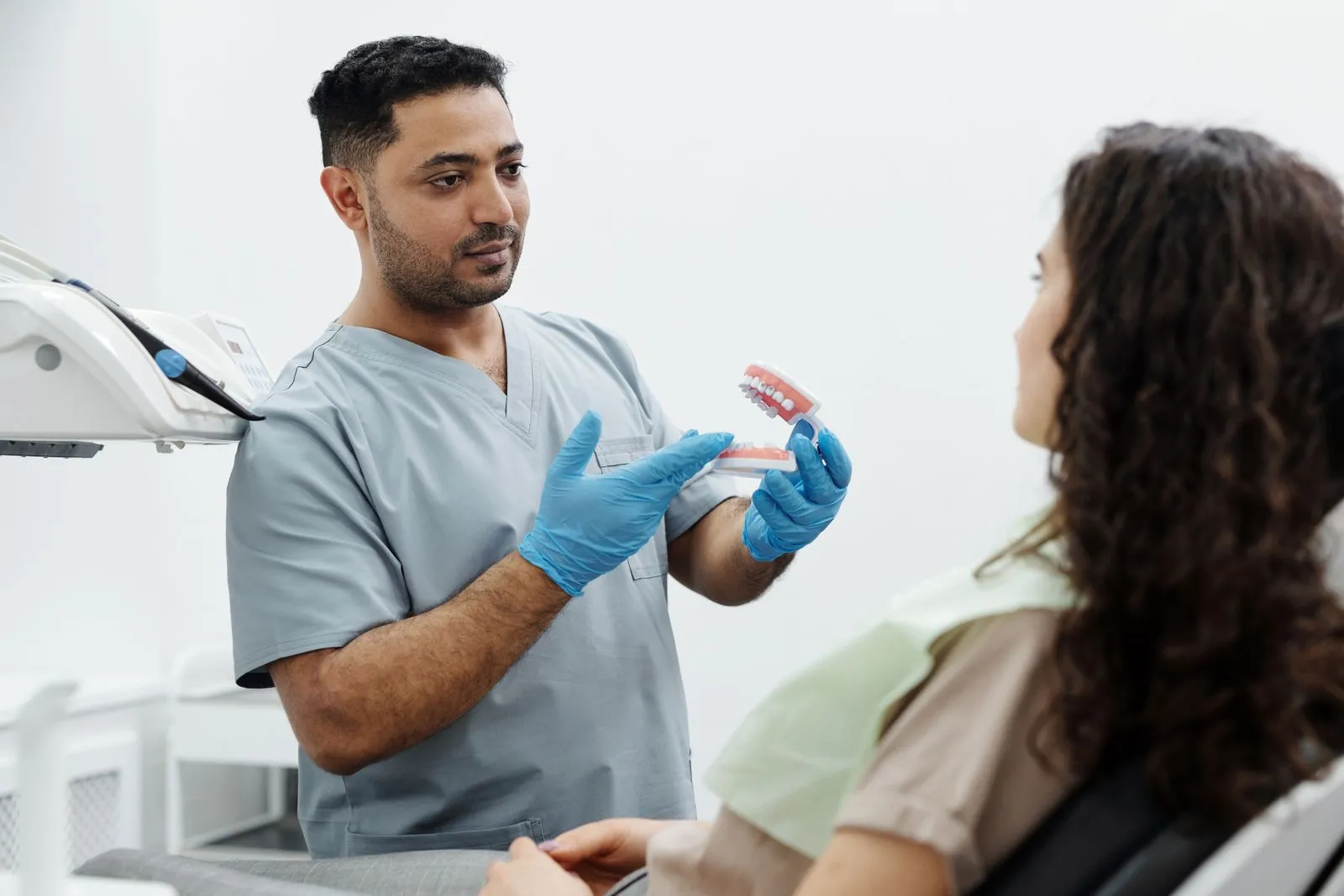
A routine dental checkup gives your dentist a chance to assess your teeth and gums, spot changes early, and discuss ways to protect your oral health. The visit usually includes questions about your health, an examination, and—when appropriate—a professional cleaning or other preventive care. Knowing what may happen can make it easier to prepare and speak up about concerns. Here’s a practical guide to the appointment and questions you can bring.
Start With Your Health History
Your dental team may ask about changes in your health, medications, allergies, and any dental symptoms. Mention pain, sensitivity, bleeding gums, dry mouth, or changes in how your teeth fit together, even if they seem minor. These details can affect what your dentist checks and which care options are appropriate.
Tell the team if you feel anxious, have difficulty sitting comfortably, or need an adjustment to communicate during the visit. Share any recent dental treatment or changes to your daily routine, too. Bringing an up-to-date medication list can help you provide accurate information without having to recall every name.
What the Examination Covers
The dentist will examine your teeth for signs of decay, damage, or worn fillings and may check your bite. They will also look at your gums and other areas of your mouth for changes that may need attention. The exact examination depends on your age, health history, symptoms, and previous dental findings.
Dental X-rays are not automatically needed at every visit. Your dentist may recommend them when they can help evaluate a concern or provide information that a visual exam cannot. Ask why an image is being suggested, what it may show, and whether it is appropriate to wait or use another approach.
Cleaning and Preventive Care
If a cleaning is part of your appointment, a dental professional may remove plaque and hardened buildup, then polish your teeth. Your care team may also discuss brushing, flossing, or other tools based on the areas that need extra attention. Let them know if your teeth or gums feel sensitive during cleaning so they can respond.
Depending on your needs, preventive care may include fluoride treatment or dental sealants, particularly for children or patients at higher risk of cavities. Your dentist can explain the purpose, benefits, and any limitations of a recommendation. Preventive care should fit your individual oral health, not just a standard checklist.
Questions to Bring Along
A few direct questions can help you leave with a clear plan. Ask what the dentist found, whether any areas need monitoring, and what changes would warrant an earlier appointment. If treatment is recommended, ask about its purpose, timing, alternatives, and what may happen if you wait.
You can also ask which brushing and flossing techniques suit your mouth, whether a particular toothpaste or mouth rinse is useful, and how often you should return. Before you leave, confirm the next steps and who to contact if a symptom changes. At Wellington Family Dental, patients can raise these questions during a routine visit.
A routine checkup is an opportunity to understand your current oral health and make a practical plan for prevention or follow-up. Share your concerns, ask for plain explanations, and confirm which next steps matter most. If you’re due for a visit, contact a dental clinic to ask about scheduling and what to bring.